Top bar page nav

Monday, July 24, 2017

What GAD Morocco is Reading: Summer 2017

What GAD is Reading: Summer 2017

Since summer is in full swing and we all find ourselves with more free time than normal, the Gender and Development Committee (GAD) wanted to recommend a few books that are available on request from the Peace Corps librarian. The following are books selected by each GAD committee member.
Dreams of Trespass: Tales of Harem Girlhood by Fatima Mernissi
Feminist Traditions in Andalusi-Moroccan Oral Narratives by Hasna Lebbady
The Hidden Face of Eve: Women in the Arab World by Nawal El Saadawi
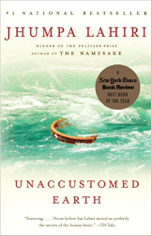
Unaccustomed Earth by Jhumpa Lahiri
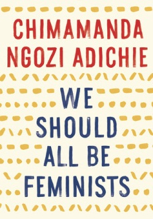
We Should All Be Feminists by Ngozi Adichie
Dreams of Trespass: Tales of Harem Girlhood by Fatima Mernissi

Dreams of Trespass: Tales of Harem Girlhood by Fatima Mernissi was one of the first books I read about gender issues in Morocco. Through her childhood memories, Mernissi walks you through the life of a harem and shows the lives of various female members of her extended family. It is a good intro book to read because it brings up heavy topics such as Islamic feminism, gender dynamic in Morocco, French colonization, and Arab nationalism in a narrative format. I found this book very powerful because Mernissi weaves the idea about socially-constructed borders that divide people and the act of trespassing, which is often forbidden but empowering.
Recommended by Young Kwon
Feminist Traditions in Andalusi-Moroccan Oral Narratives by Hasna Lebbady
For a more academic read relevant to the Moroccan context, check out Hasna Lebbady’s Feminist Traditions in Andalusi-Moroccan Oral Narratives. In this book, Lebaddy features seven tales that have been passed down in oral tradition by Tetouani women for centuries. She dissects each of them one by one from both a literary and feminist standpoint, uncovering a trend which consists of female protagonists ultimately outwitting even the most noble of men—a notion which challenges a particular perspective of Muslim women being not only physically but mentally confined to the harem. In fact, it seems that these storytelling women have found freedom in oral narrative tradition versus written word which has historically been controlled by male voice and perspective.
If you’re interested in storytelling, literature, theatre, and/or feminism in Moroccan tradition, this book is worth a browse. Also check out the GAD and Theatre: Acts of Equality and GAD Folklore: A Generation of Storytellers toolkits.
Recommended by Katie Bercegeay
The Hidden Face of Eve: Women in the Arab World by Nawal El Saadawi
I visit the Peace Corps library every time I make a trip to the office. M’Hamed often recommends books since he knows I’m an avid reader. Last time I went to see him, he saw my stack of GAD-related books and insisted I check out The Hidden Face of Eve by Nawal El Saadawi. “She’s the Fatima Mernissi of Egypt!” he exclaimed with delight. He wasn’t wrong.  This book truly shook me to the core and helped shape my view on the struggles of Arab women for equality and justice. Though the book was first published in 1977, there are many aspects that still ring true today. Like Mernissi, Saadawi effortlessly blends stylistic elements of memoir and critical analysis of Arab culture and Islam to present to societal issues affecting women in Egypt. Her experiences growing up in an Islamic society, working as a doctor in villages around Egypt, witnessing prostitution, honor killings, sexual abuse, and female circumcision, are the foundation for her work. She insightfully points out how femininity did not evolve independently of society but rather that femininity and a woman’s place in society (all societies) are direct reflections of socioeconomic practices or goals of that society.
I would, however, advise the reader to beware—some of the scenes are quite graphic and difficult to read without feeling physically affected.
Recommended by Elizabeth Jay
Unaccustomed Earth by Jhumpa Lahiri
I enjoyed this collection of short stories because it gives the reader a chance to really see and feel the emotions that manifest in times of uncertainty and change. The gender roles that define the relationships in all the character's lives make for stories you don't want to end -- where each story in its own way grapples with what happens when gender constructions and social norms come to hinder a loved one's ability to have a healthy relationship. What I appreciate most is all the situations feel real, and it is not a stretch to see certain friends or a family member in some of the characters. This realism places me back in America, giving the book real substance.
Recommended by Jess Wamala
We Should All Be Feminists by Ngozi Adichie
Chimamanda Ngozi Adichie's We Should All Be Feminists is a short essay and spin-off of her popular TEDx Talk. In her talk, Adichie discusses what it means to be a feminist with an emphasis that it is understanding and acknowledging that sexism exists. Through various personal accounts, Adichie uses the book to explain her many encounters with sexism starting from her early years in Nigeria. She explains stereotypes around being a feminist and the traditional perspectives on gender roles in Nigeria.
A highly recommended short read for those looking for something quick on feminism and specifically in Africa. The stories Adichie covers are both relatable and mind-opening and it inspires collective action to build awareness on the effects of sexism and strict gender roles.
Recommended by Heyab-Mariam Ogbasion


--- Posted by Katie Bercegeay

Tuesday, June 20, 2017

The Ever-Important Counterpart

Elizabeth “Lou” Jay is a fourth year volunteer serving in a small community located the mountains south of Marrakech. Before she came to Morocco she was a professor at the University of Indianapolis, teaching “Intro to Sociology” and “Social Problems” courses. Much of her academic background focused on women and society cross-culturally. This greatly influenced her decision to join Peace Corps and work with disadvantaged populations within the community, namely girls and women. Most of her time in Morocco has been dedicated towards empowering her community through art, exercise, hikes into the mountains, and constructing a park. To find out more about her service, you can read her blog at Lou Around the World.

The Ever-Important Counterpart
By Elizabeth Jay, Badr Allouche & Bochra Laghssais
As Peace Corps Volunteers, the most important key to our success is our counterparts. Without them, we wouldn’t be able to have the same impact in our communities. They open doors we didn’t even know existed, they support our every attempt, they celebrate our victories, and they help us overcome our challenges. They are the reason we do what we do. They are the very definition of sustainability we hope to achieve by the end of our two years. They often go beyond helping us start a class or see a project get off the ground; they take our humble beginnings and mold them into their own classes or develop our projects into subsequent phases of design and implementation.

Peace Corps teaches us from day one that the best way to gain the trust of the community is to integrate, and the best way to ensure our work is successful is to ensure we utilize counterparts. This is particularly crucial when doing gender and development work, which can often tiptoe into the blurry zone between culturally appropriate and culturally unacceptable. Our counterparts help us navigate through obstacles of language, 7chuma (shameful) themes, cultural differences, and age-appropriate content. While I may feel perfectly comfortable teaching my preschoolers the days of the week, I would rather leave it in the hands of my counterpart to help me talk to a room full of adolescent males about how to be an advocate for women against sexual harassment. There’s just more legitimacy to a male, closer in age to the audience, speaking in the local dialect about the need to stand up for woman on the street, than an American woman who tends to butcher the language when talking about sensitive topics.

One of the best parts of Peace Corps Morocco is that we can really shape the work we do based on the things we enjoy doing and the things we’d like to develop in our communities. Gender and development (GAD) work is fairly ubiquitous across Morocco. There are many avenues, venues, audiences, and themes throughout the Moroccan GAD landscape that allow for gratifying work. The work we do is not only enjoyable for us. You know you’ve connected with the right counterpart if he or she finds as much joy in the work and see the same need for it in the community. Take for instance one of our GAD counterparts, Badr Allouche:
19125511_10207691691608609_290337421_o.jpg
Badr worked with RPCV Alice Carter
(2015-2016) to lead a group of young men
and women to summit Mount Toubkal.
My name is Badr Allouche. I am a 28 year old Moroccan. I am a second year English major at Ibn Tofail University. I also work as Language and Cross Culture Facilitator with Peace Corps as a part time job, and most of all I am a gender advocate.
I remember back in 2012 when I was helping Lauren (RPCV Morocco 2012 – 2014) start an aerobics class at the youth center. Living in male-dominated site, it was sure that starting these classes would not be easy. It was mostly getting men’s approval to let women come to the youth center.  So as a gender advocate I started with my surroundings. I invited my mom, my aunt, and some of my female friends to join the classes.  Lauren had a good number of women to start with, after couple of session the class started to grow to reach 40 women. My reward? When my mom came home wearing her tracksuit for the first time, she had a smile of victory on her face. Well, she also stopped complaining about her hurting joints, hamdoulah. After one month, Lauren led a mini marathon for the aerobics women that ended up being a huge event in Tiflet. At that moment, men and everyone else became very encouraged that Tiflet is a place for both genders.
19141678_10207691735329702_87423342_n.jpg
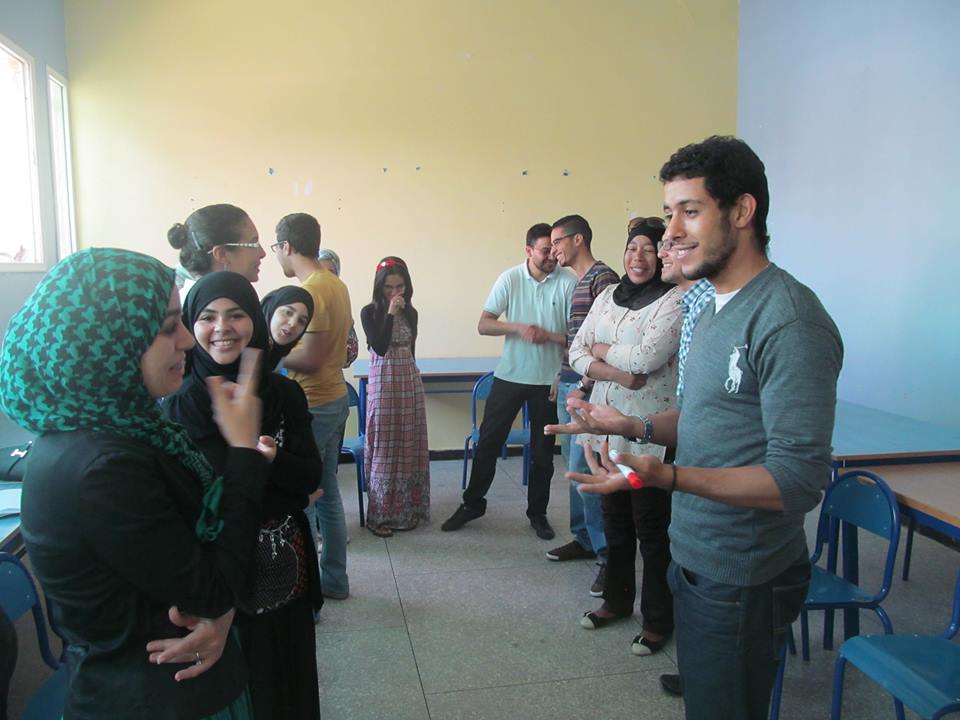
Badr helped facilitate a two-month Lifekills course
in his community, empowering many young women
Working with PCVS in gender empowerment has been seen in my activities in my community. Last year we started an American football club, that included girls and guys training together for the passion of the game, we had about 12 girls versus 18 guys, a number which we believed it was a great success for the sport and for Tiflet.  I also worked with Kika Kaui, the PCV in Tiflet, this past year, helping her with her women and health workshop which I could not be prouder to be part of.
16729025_768874759927765_1881582773932570317_n.jpg
Tiflet's team won Best Team in Morocco
at the Arabic Model United Nations Morocco 2016
.
I am so glad and fortunate to be a GAD counterpart. I have had the opportunity to witness the great work woman can do; working alongside female PCVs opened my eyes on gender issues  that were not obvious to me, the little things that turned out to be important on the way to a better community. GAD gave words to the mentality I have always had for the work that I have always believed in. I have always had that perspective that we are all the same; we all deserve equal opportunities in life. GAD put those ideas into a reality. GAD has impacted my life in a way that I have never imagined. How? Well I am a man who would never shout at his female partner to go to the kitchen. I am a man who feels proud when a girl makes a perfect pass in American football. I have become the man who is not ashamed to put the apron on and stand in the kitchen or change my child's diaper someday. I have a better understanding of my female counterpart. And now I am more appreciative of what I have become.

What’s interesting about the PCV-Counterpart relationship is how often we don’t realize the impact we are having on our counterparts. We are so grateful to them for being our Darija-to-Darija translators and helping us steer an awkward conversation back to the land of comfortable, but they are just as grateful for us. Often our counterparts take away so much from the sessions they help us facilitate. Peace Corps relationships and opportunities can help them mold their lives and shape the direction of their futures. Another GAD counterpart who has worked with many Peace Corps Volunteers, Bochra Laghssais, is a great example:

14606318_795292397277778_1154997865297458087_n.jpgMy name is Bochra Laghssais. I am 21 years old. I studied English literature and American society at Cadi Ayyad University. Currently I am a student at the University of West Bohemia in Czech Republic, studying International Development studies with a focus on gender.  I worked for Project Soar Morocco as a field coordinator and empowerment facilitator. I am a writer at AfricanFeminism.com where most of my articles focus on women and advocacy. Being a Peace Corps counterpart started way back when I was a student in my town Tazarine. I started as regular student studying English at the dar chabab (youth center). I loved English so much and the dar chabab was a great way to practice and meet people who shared the same interest.
The volunteers in my town were really active and included youth in their activities. It was very interesting to me, so I attended some of them. For example, I completed the “Life Skills‘’ series taught by RPCV Kyla Vanderhart. At the beginning of this program, I was really shy and could not express myself because of being a woman and living in a conservative community. With the help of the volunteer, I become more open-minded and able to speak and discuss topics with other people.
Later on I moved to Marrakech for university and I got to meet other volunteers and work with them. I have worked on Life skills with the RPCV Kira Charlesworth; this time not as a student, but as facilitator. I got the chance to teach students in Tahnaoute, 35 KM away from Marrakech, some skills like self-confidence, self-advocacy, leadership, and conflict resolution. I also had a chance to attend the Project Design and Management training held by Peace Corps with PCV Julie Feng, in which we are developing a blog for non-native Darija learners to read stories in Darija and pick up as much vocabulary as they can through reading and listening to the stories at the same time.
14370385_785667341573617_244158412325762208_n.jpg
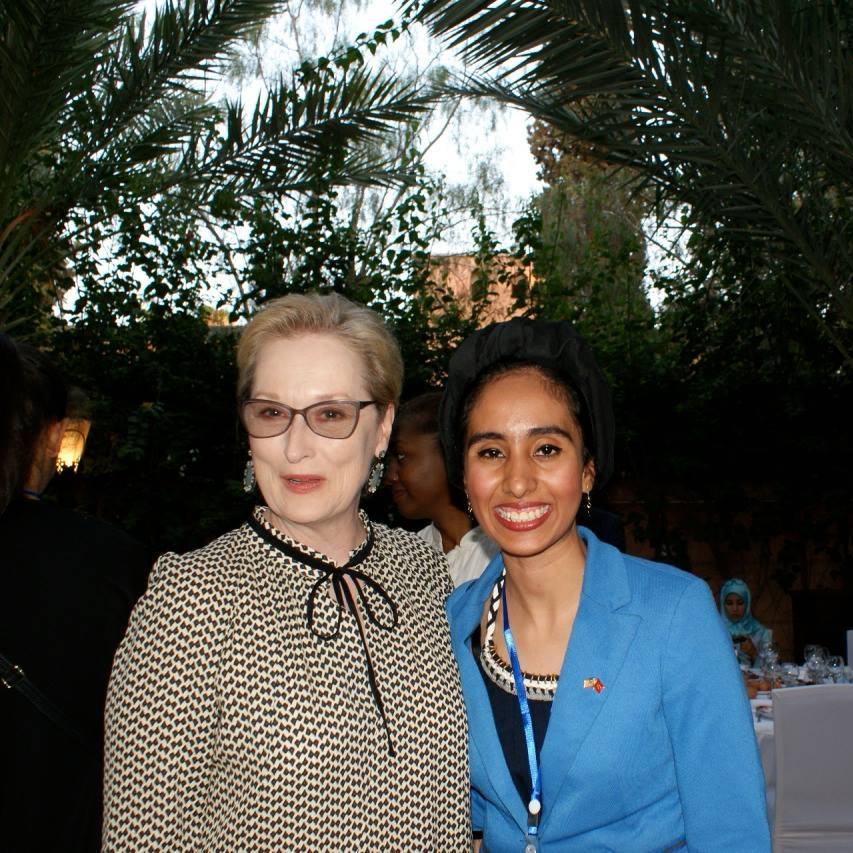
Bochra with actress Meryl Streep at the
Let Girls Learn celebration hosted by
First Lady Michelle Obama
As time passed, I was able to attend more events by Peace Corps and get involved in other programs. I have also been able to do much GAD-related work. For instance, I helped RPCV Rachelle Wilson in Sidi Rahal facilitate some workshops in a GLOW (Girls Leading our World) club about self-confidence, self-worth, and advocacy, as well as goal setting. With all that, I had special invitation to meet the first lady Michelle Obama during her visit to Morocco to promote her Let Girls Learn initiave, and that was the great honor of my life. She is a very powerful woman. That she and her husband started from humble beginnings and to become the first African American family in the White House is really inspiring.
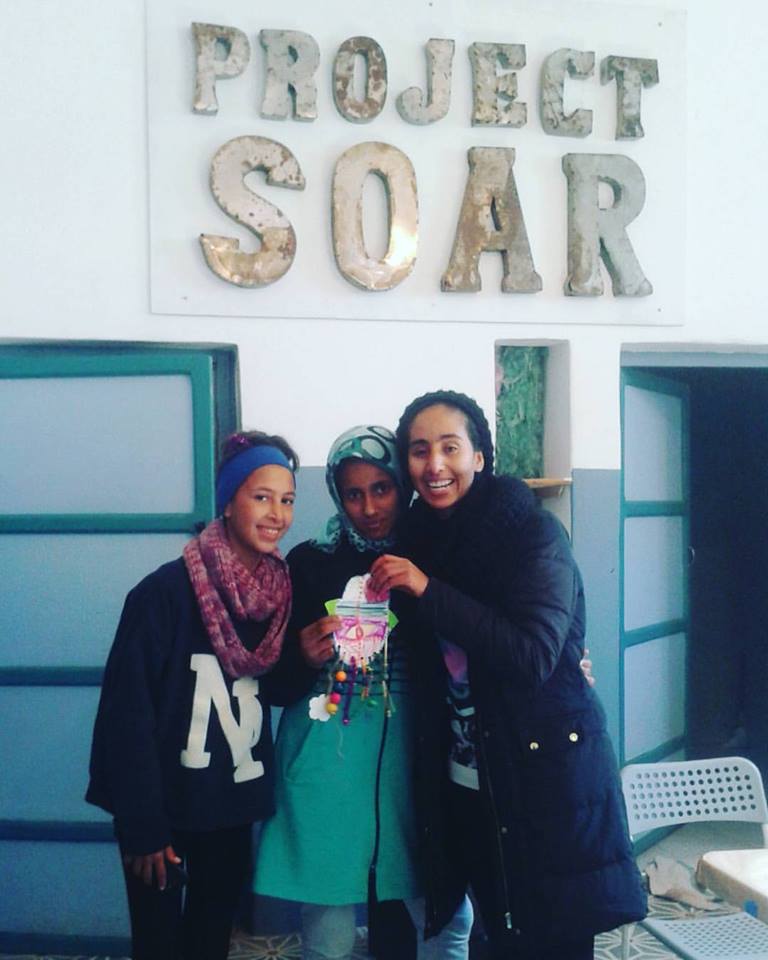
16143181_861082934032057_5142351476850301568_n.jpg
Bochra empowered many
young women at Project Soar
just outside Marrakech
Through my connections with Peace Corps and my GAD work, I started working with Project Soar. While I was in Project Soar, my manager was PCV Olivia DiNucci.  I was surrounded by powerful girls with great energy and passion that actually inspired me every single day to do more and fight for girl’s education and serve and lead by example. My work with Project Soar began immediately after coming from the White House in October 2016, which was another wonderful inspiring week of my life where I met girls that share the same interests as myself. When I came back to Morocco, I knew that working for Project Soar would be continuing on the First Lady’s path and letting girls go to school.  Despite the fact that I had to attend full-time university courses and work as a storyteller, I was determined to devote some of my time for the Project Soar girls. When I saw them every Sunday, they reminded me of myself when I was their ages and my hopes and dreams while living in small villages with a lack of resources. I feel like I belong. I share these girls’ lives and stories. Like I did, I made it to the university; deep in my heart, I know and believe in these girls that they will do the same thing or even better.
The work we do really comes full circle. The student becomes the teacher. And in my humble opinion, it’s the work we do with our counterparts, the relationships that we build with them that’s really the most important work we do. It’s so easy to get caught up in the mentality that we’re here to impact each of our communities as a whole, or get caught up in the “Mother Teresa effect” as I call it, but that’s just not realistic. What we can do, however, is empower the handful of people that become our counterparts, transmit our knowledge, encourage their passions, and help them become the greater catalysts for change in the community. At the end of the day, they are the ones who will be able to influence the larger population.

Working with a counterpart on a sensitive issue such as domestic abuse or girl’s empowerment assumes that you start from a foundation of trust, openness, and mutual understanding. Taking the time to really develop these relationships and broaden the spectrum of work you do together can do nothing but nurture these aspects of your relationship and increase the effectiveness of your projects. Peace Corps may emphasize to us over and over again the importance of a counterpart, but what they often fail to mention is how these people become so intertwined into our lives; “counterpart” seems so clinical and sterile a term. What really forms is a mutually-beneficial relationship, a deeper understanding, and a long-lasting friendship.
1. Bochra and Lou at the open ceremonies for the 2016 Global Summit for Peacebuilding and Social Development;
2. 
Badr and Bochra helped lead a group of youth from various PCV communities to the summit of Mount Toubkal;
3. 
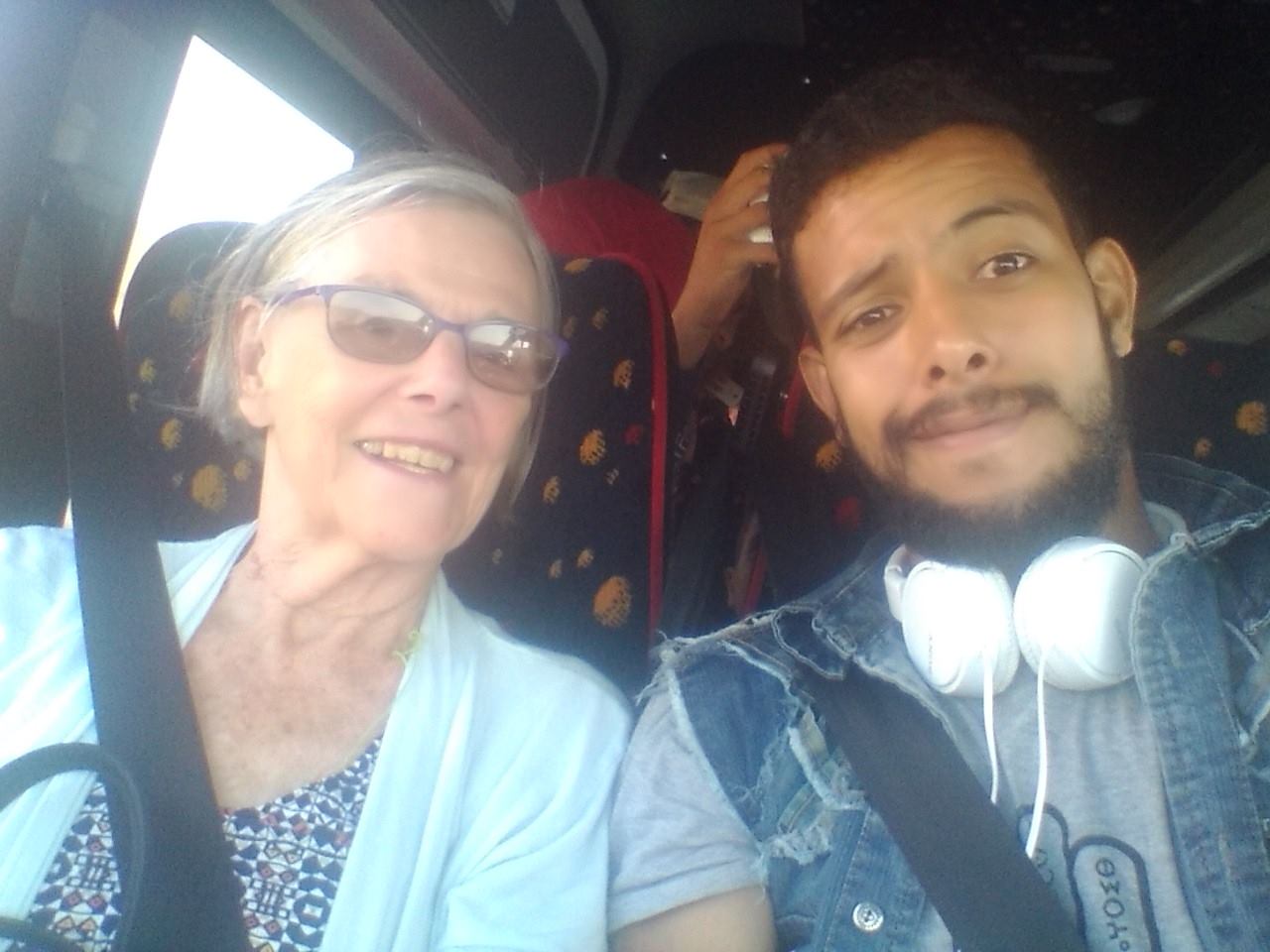
Lou and Badr at the swearing-in ceremony for the 2016 staj of Peace Corps Volunteers.


---
Posted by Katie Bercegeay


Saturday, May 27, 2017

In Gender & Development Work, Remember: Development itself is Gendered

Julie Sherbill is a first year Peace Corps Volunteer serving near Marrakech. Having lived in Turkey and worked for an international fellowship program, she believes well-designed cultural exchanges are crucial for a more peaceful and just world. As a Volunteer at a new site, you can often find Julie closing her eyes and repeating to herself over and over again that our value is based in relationships and not in productivity. Read more about her service on her blog: In the End, We’re All Shoes.


Julie Blog Pic kulchi.jpg


In Gender & Development Work, Remember: Development itself is Gendered
By Julie Sherbill
See if you can spot what these three anecdotes have in common. One is from home, and two are from my Peace Corps service so far.
  • I am volunteering at the annual Human Rights Campaign (HRC) National Dinner, which is worth several hundred dollars a ticket. I am standing with my friend and fellow volunteer, an LGBT activist from Egypt, when an older white man, an attendee, approaches us. In a “father-son” type way, he grabs my friend’s shoulder and asks, “now how can we help the horrible situation for LGBT folks in the Arab world?” As the man walked away, my friend wondered aloud, “why did that question bother me so much?”
  • At a training, as I’m drifting asleep, my friend wakes me up to tell me she’ll be leaving tomorrow. She talked with her husband in another city, who decided he is not comfortable with her sleeping out. “He loves me, he just doesn’t trust me,” my friend explained. I wanted to tell my friend to break off the relationship ASAP; I think she’ll be better off on her own, with freedom to do what she wants.
  • I’m doing the PACA mapping activity with girls from the Dar Taliba. I tell them to color in green the spaces where they feel safe. In the next class, we discuss. I ask them “do you have anywhere to go where you feel safe?” No. The next questions on the sheet: “what does this say about your daily life in your community?” and “what are some next steps?” The questions felt leading, but I asked them anyway. The girls said, “well, we learned that our lives are boring, and we have no safe space.” Another girl chimed in, “no, but we have to thank God for all that we have, and we have enough.”


These individual anecdotes all remind me of the fine, fine line between empowerment and paternalism within even the most well-intentioned human rights work, including Gender & Development (GAD) work. In theory, helping people connect their own personal hardships to larger systems of inequality in society would empower them. Why then, when I want to tell someone that they don’t have privilege, does it feel like I’m taking their own agency away?


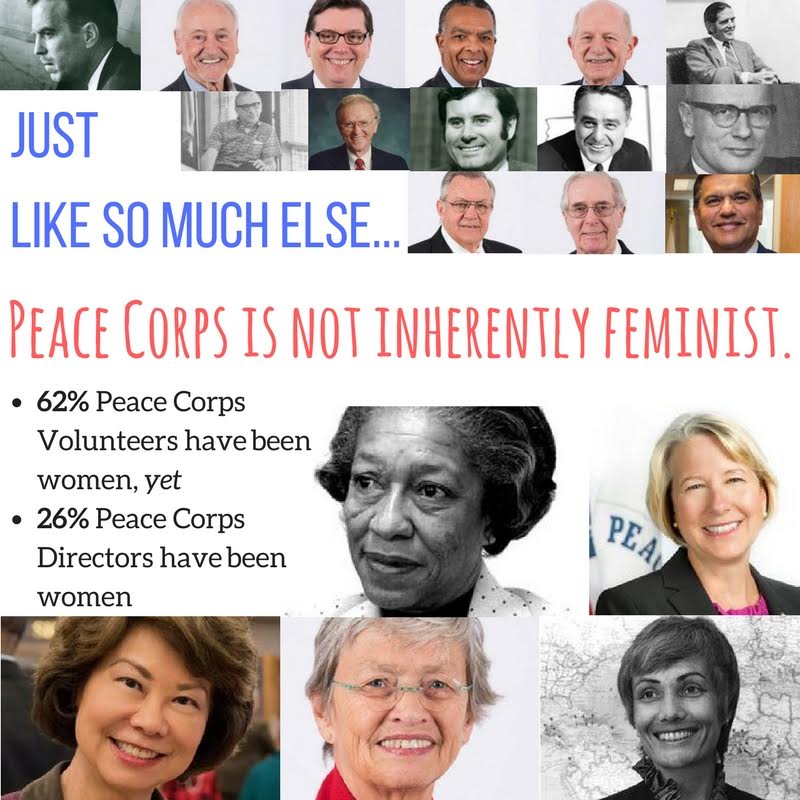
I think it’s because development work, both at home and abroad, has for so long been part of that same gendered framework that boxes people into inequality. Peace Corps, more specifically, emerged right at the end of the European colonial period, during a time when international (and domestic) development was even more patriarchal than it is today. We cannot take our work here out of this context—we should always be questioning how it colors our view throughout these 2+ years.


The Shadow of the Ugly American


My first instinct in helping, as you can see from my stories, is sympathy, which means “feelings of pity and sorrow for someone else’s misfortune.” Empathy means “the ability to understand and share the feelings of another.” But sympathy isn’t productive—instead, it is reductive. It reduces and simplifies the people you’re trying to help.


If I spend more time just hanging out with my friend and hearing about her life, if I learn how the girls in the Dar Taliba do have fun without a designated “safe space”—I can begin to understand them as full, complicated human beings, instead of underprivileged projects. In time, I might even be able to empathize with others—that is, to see where they’re coming from, get how they’re feeling, and know if there’s a way I can actually help them (and vice versa). I might not end up accomplishing that much on paper, but at least I’ll have real friendships.


Yet even if I’m befriending people and learning the language, there are still a thousands ways I can be the Ugly American. This is now a pejorative trope that refers to “perceptions of loud, arrogant, demeaning, thoughtless, ignorant, and ethnocentric behavior of American citizens mainly abroad, but also at home.” Since Peace Corps was established to counter this very picture, it seems like the Ugly American’s shadow is always hanging over my head, reminding me of what I could so easily, and unintentionally, become.


Personally, like so many with privilege, I have been able to benefit from systems of class and race without ever having to acknowledge the concept at all. Every time I post pictures on facebook or random epiphanies on my blog, I’m wary of becoming like voluntourists whose primary goal is not to understand their host community, but rather, show that they understand it.


Julie blog pic stats.jpg


Gender and Development, but also Gendered Development


I need to find a way to work productively here, even with that Ugly American ego creeping in the context, threatening to envelope me. If I am going to make these years worthwhile, I need to be myself—my outspoken, feminist, and eager beaver self. But I need to recognize when that self is actually pushing other voices down rather than amplifying them.


As individual Volunteers with varying levels of privilege, we must critique the power structures that lead to gender disparities not only at our sites, but also within the context of our Peace Corps experience. How do our diverse backgrounds affect the way we see life, do work, and relate to people at our sites? As gender advocates, we cannot be selective in what we view through this lens.


I believe productive work doesn’t have to be tangible—it can lie in relationships, conversations, and individual shifts in mindset. That’s what I love about GAD’s approach to work; even if I don’t implement a girls’ empowerment camp, there is still value in my individual conversations surrounding gender. Similarly, critical conversations about gendered development are vital among Peace Corps Volunteers, as our individual services do not exist in vacuums. After all, isn’t it true that we can have a higher impact on our own Peace Corps community than the sites where we serve?


---

Posted by Katie Bercegeay

Wednesday, May 17, 2017

Branching Out: Finding the Students that Want to Learn

Alyssa Meredith is a newly returned PCV who served in a rural Moroccan village near Zagora. Her interest areas include environmental awareness, women’s empowerment and healthy lifestyles. She helped lead the first day camp to happen at her town’s Dar Chabab and taught weekly classes at the Dar Taliba and Nedi Neswi. Her favorite pastime in Morocco was sunset walks in the djnan*. Branching Out: Finding the Students that Want to Learn By Alyssa Meredith


No Work in Sight
Many Peace Corps Volunteers have inevitably let the following phrase slip through their lips at some point in their service: “There’s no work in my site.” We all know this to be categorically untrue and yet the frustration of the slow seasons or the unreliability of certain students leads us to utter this hyperbole. So how does one master these feelings of helplessness when all you really want to do is “change the world”?


As the first volunteer in my site, I struggled throughout my first year to establish myself and what my role in the community would be. I naturally attempted to start at my assigned workplace, the Dar Chabab*, but after having various classes quickly fizzle and ultimately spending countless hours sitting in an empty building, I decided to branch out and find somewhere new to work. If the students weren’t going to come to me, I would go to them.


Discovering the Nedi Neswi
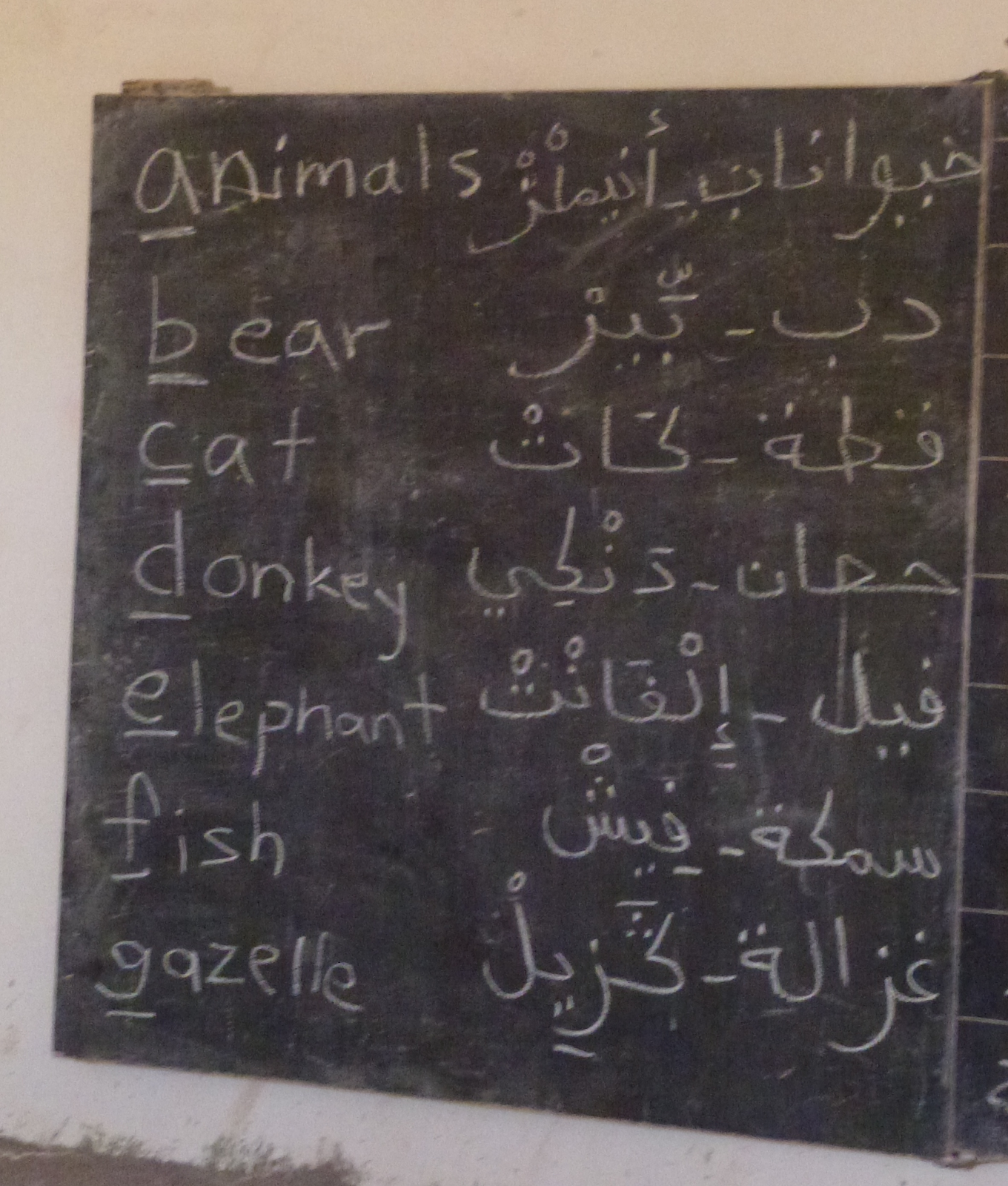
One afternoon my host sister showed me her workbook with designs for djellabas and other traditional Moroccan clothes, and I realized that my town must have a Nedi Neswi*. So I stopped by to observe a class and introduce myself to the women that studied there. A couple of the ladies asked me some questions about English in between copying down the day’s patterns and I mentioned that I’d be happy to teach a class if more people were interested. They jumped at the opportunity, and I began teaching beginner’s English along with aerobics.


An English lesson at the Nedi on the alphabet and animals

Many (myself included at times) may question the wisdom of teaching these rural women English when they may not even know the more commonly used French or even standard Arabic and probably won’t have much chance to use what they learn. However, these ladies have a right to an education, an opportunity that may have been denied to them as a young student, and no matter their age or status, we should encourage their eagerness to learn. Additionally, the Nedi is a place for these women to get out of the house and socialize with their friends. It is a safe space for women to express themselves, to gather and to learn, and because of this, I continue to seek out work at the Nedi so that these women have access to these opportunities.


Expanding My Work Site
Attendance at my Nedi classes waxed and waned throughout the seasons, but it also opened up some new opportunities for work. After class one afternoon, two women approached me and asked if I could replicate the class in their village since they actually lived a few kilometers up the road. While I did not relish dealing with the logistical concerns teaching this class would require, I agreed because my week was pretty empty at this point, and I figured that I should be doing something useful with my time. Meeting these women was perhaps the best moment of my service because it led to some of my most fulfilling work. The people in this douar* live just far enough away from the central action in town that they aren’t able to participate in most of the local functions, especially the women. Because of this, I found that these students were especially eager to learn and I had higher attendance rates and better participation than any of my previous efforts.


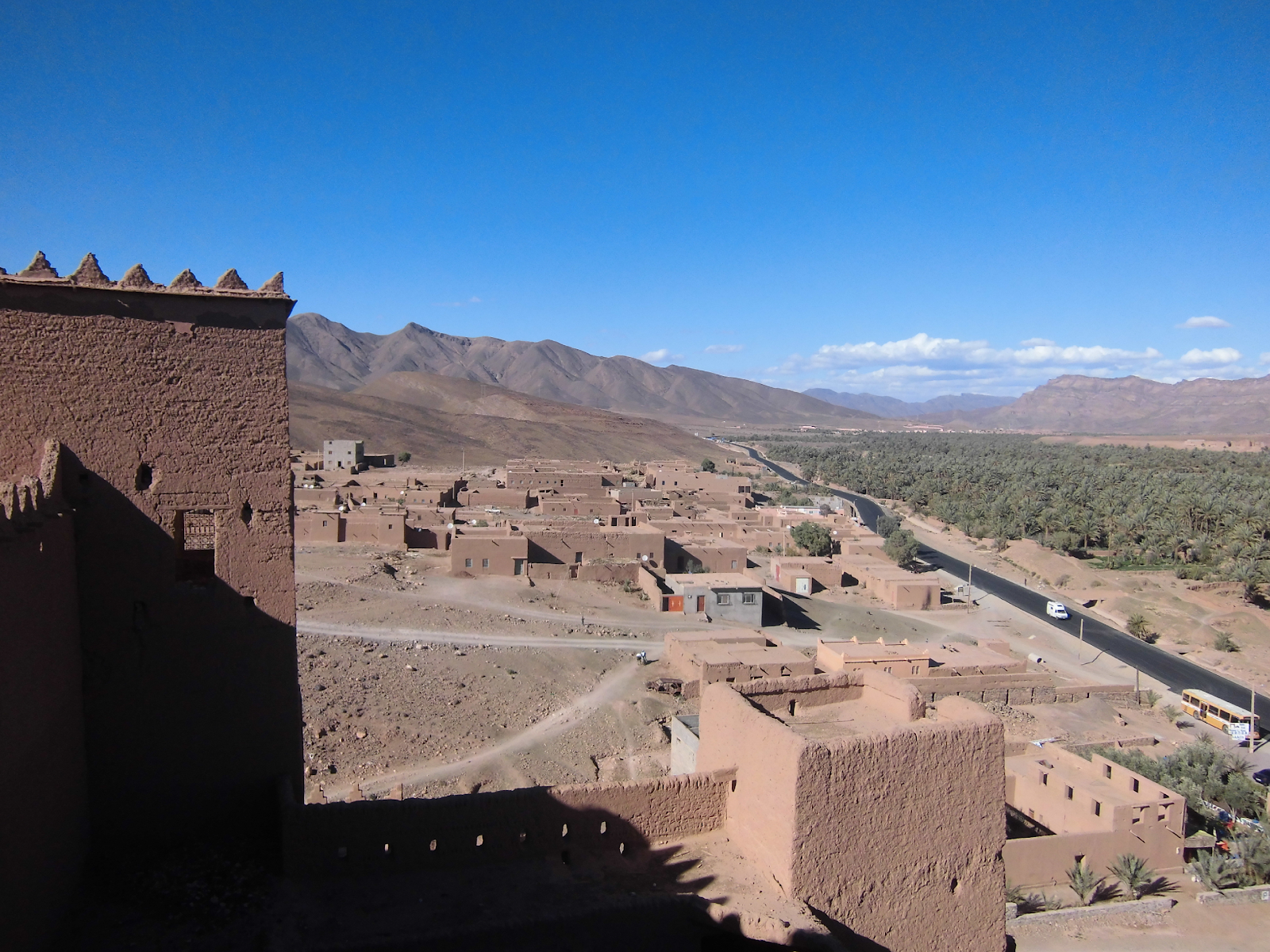
View of the village where I taught life skills atop a 300 year old kasbah

I started with similar classes that focused on English and exercise and saw some encouraging progress in my students. They even wanted to continue during Ramadan which was quite a feat while we were all fasting in the brutal heat. Through this class I met one of my future counterparts. She confided in me that although she had dropped out of school early, she still wanted to work and to do something with her life. She suggested the idea of working together to teach younger students in the coming fall. When Peace Corps advertised the life skills training, I thought it would be a great way to move forward.


Focusing on Women’s Empowerment
We decided to make the new life skills class  an exclusively female class because we wanted these girls to be able to truly discuss their feelings and to find confidants and role models among their peers. Using the life skills curriculum as our base, we wove in themes of women’s empowerment to give the women additional examples of strong women. We talked about Fatima Al Fihri and the assets that helped her create the world’s oldest university in Fes. We drew community maps and discussed how the spaces available may or may not be open to women and how these buildings reflect the community’s values. When the curriculum presented a story about Nelson Mandela and surviving tough times, we paired it with the story of Malala Yousafzai and read about her speech to the UN highlighting girls’ education.


Working in another douar offered me additional opportunities for work, expanded my community network, introduced new people to the idea of Peace Corps, and gave me an excuse to do some exercise each week as I make the trek to and from class. Over the course of my service, I had to convince myself that it was okay to leave behind the classes that weren’t productive and find the people that wanted to work with me. As a new volunteer, if you find yourself at a loss to start classes, I’d encourage you to branch out and find a new base for your work by getting to know the people in another douar.

Moroccan Arabic References
*djnan: palmary
*Dar Chabab: youth center
*djellaba: traditional hooded robe worn by Moroccans
*Nedi Neswi: women’s center, usually a space for the women to learn traditional skills such as sewing or classical Arabic

*douar: village


--- Posted by Katie Bercegeay